
My Brakes Are Squealing: What It Means and What to Do
- Posted on
- By Blue Cycles Team
- 0
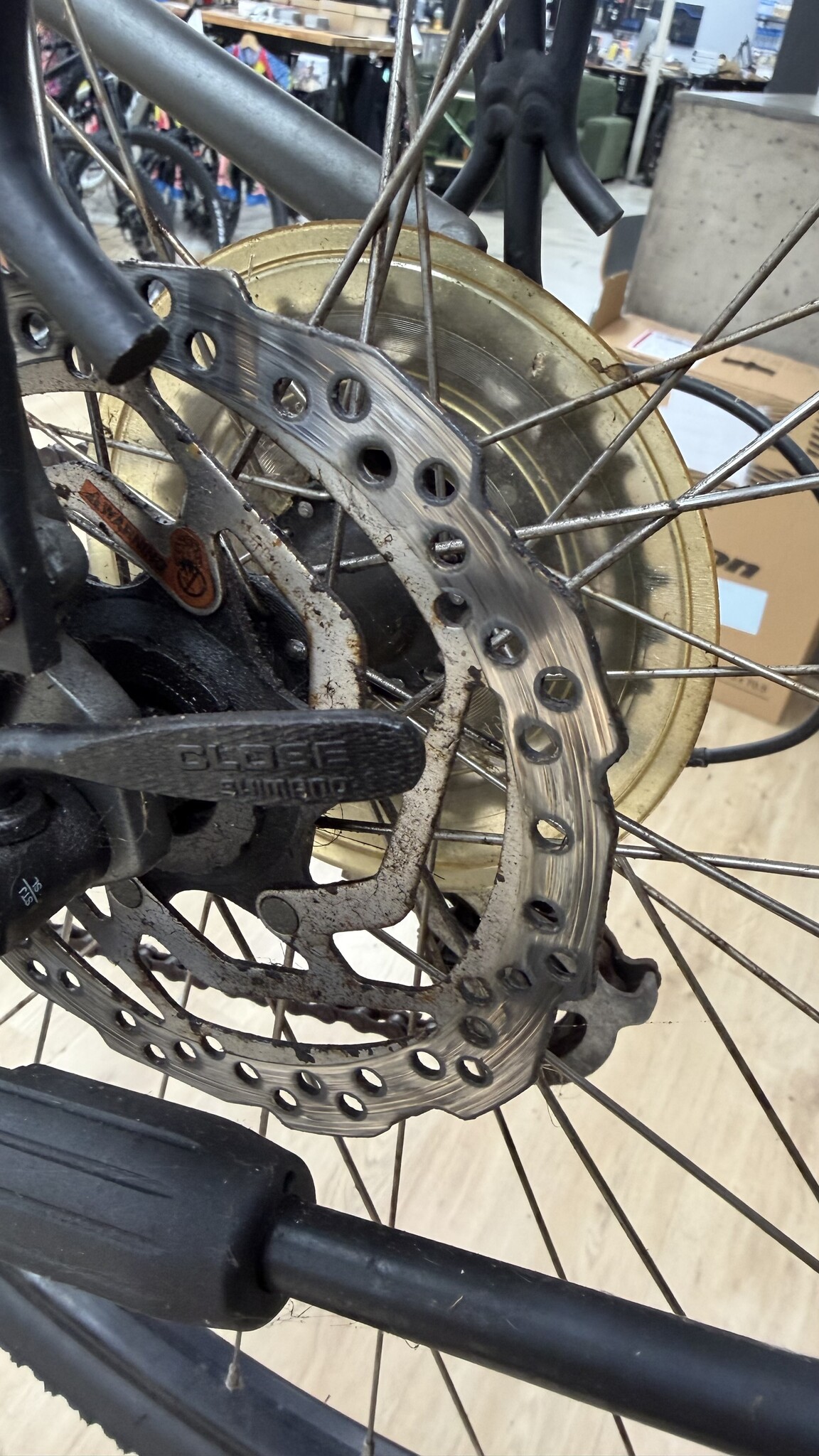
Bike brakes squealing in Darwin? Learn the common causes — contamination, glazing, worn pads — and when to book a service. Blue Cycles explains.
That high-pitched squeal every time you pull the brakes is one of the most common complaints we hear at Blue Cycles. The good news: squealing brakes usually have a straightforward cause. The bad news: if you ignore it, what starts as an annoying noise can turn into a safety issue and a more expensive repair. Whether you're riding Darwin's dry season trails, commuting along the Esplanade, or just doing school runs in Coconut Grove, sorting your brakes quickly is always worth it. This guide covers the main causes, what you can do yourself, and when it's time to book a bike service in Darwin.
Why Do Brakes Squeal? The Most Common Causes
Squealing almost always comes down to one of four things: contamination, glazing, pad wear, or rotor condition. Each has its own fix, so it's worth understanding which one you're dealing with before diving in.
Contamination is the most common cause in Darwin. Chain lube, sunscreen, insect repellent — all of these can transfer onto your brake rotor or rim and cause a loud squeal the moment you brake. Even a small amount of oil on a rotor is enough to compromise stopping power significantly. If your brakes started squealing after a recent chain lube or wash, contamination is almost certainly the culprit.
Glazing happens when brake pads overheat and develop a hard, shiny surface that doesn't grip properly. It's more common on longer descents, but in Darwin's flat terrain it usually means your brakes have been dragging — either from a slight rub or a habit of riding with light brake pressure over long distances. Glazed pads make a high-pitched squeal and feel less responsive than usual.
Worn brake pads are straightforward — once the pad material wears down to the backing plate, you'll hear a metallic grinding or squealing that won't go away. This is the scenario you want to catch early, because riding on worn pads damages your rotor and turns a cheap pad replacement into a more expensive rotor replacement too.
Rotor or rim condition matters as well. A bent rotor, a scored rim surface, or a rotor that has worn below minimum thickness will all cause braking noise and reduced performance. These are harder to diagnose yourself and usually need a mechanic's eye.
What You Can Try at Home
If you suspect contamination, the first step is cleaning. Wipe the rotor down with isopropyl alcohol on a clean cloth — never use water or general-purpose cleaners, which can leave residue. If the pads have absorbed oil or lube, they usually need replacing rather than cleaning, since contamination soaks into the pad material and can't be fully removed.
For glazed pads, lightly sanding the pad surface with fine-grit sandpaper (just a few passes) can restore grip. Same goes for glazed rim brake surfaces. It's a short-term fix — if glazing is recurring, it points to a brake adjustment issue that's worth having looked at.
Check your pad wear by looking at the pad from the side. Most pads have a wear indicator groove — if it's gone, the pads are due for replacement. On disc brakes, you're looking for at least 1.5mm of pad material remaining. Less than that and you're in the danger zone.
When to Bring It In
Some brake issues are straightforward DIY jobs. Others really need a workshop. Bring your bike into Blue Cycles if:
- The squealing started suddenly and you can't identify a cause
- Your brakes feel spongy, soft, or the lever pulls close to the handlebar
- You can see scoring or deep grooves on the rotor or rim
- The noise is a grinding or scraping sound rather than a squeal
- You've cleaned and adjusted but the problem keeps coming back
Our Core Service ($325) includes a full brake inspection, surface clean, cable lube, and adjustment as standard — plus a second mechanic check before the bike goes back to you. If pads or rotors need replacing, we'll quote you first and won't do the work without your approval. For simpler brake adjustments outside a full service, drop in and have a chat — we can often sort minor brake issues on the spot.
Darwin Conditions and Your Brakes
Darwin's dry season is hard on brake systems in ways that don't apply down south. Dust gets into everything — rotors, calipers, cable housing — and acts like a mild abrasive over time. If you're riding trails at Howard Springs or Charles Darwin National Park regularly through the dry season, your brakes are working harder than they would on sealed roads and they'll need more frequent attention.
Salt air near the Esplanade and Casuarina foreshore also accelerates cable corrosion, which affects how smoothly rim brakes engage and release. A quick cable lube every few months goes a long way — or just flag it next time you're in for a service and we'll take care of it as part of the check.
Squealing brakes are rarely serious when caught early — but they're always telling you something. If yours have been making noise for more than a ride or two, it's worth getting them looked at before the dry season kicks into full swing. Book a service at Blue Cycles online, visit us in Coconut Grove (open 7 days), or call 08 8985 3921 — we'll get you sorted.
Comments
Be the first to comment...