
How to Change a Bike Tube: Step-by-Step Guide
- Posted on
- By Blue Cycles Team
- 0
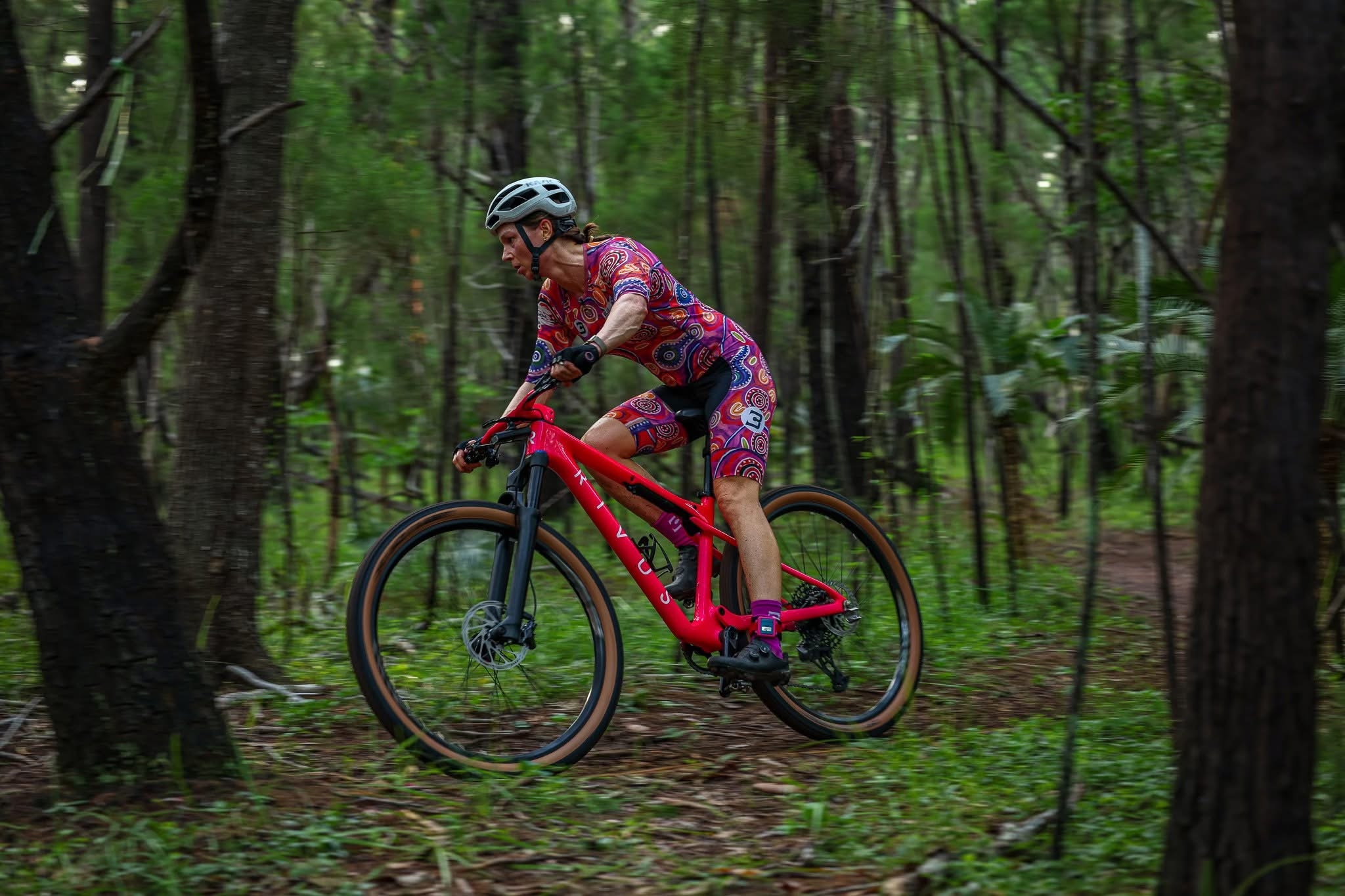
Learn how to change a bike tube in 10 minutes — step-by-step guide from Blue Cycles Darwin. Works for MTB, road and commuter bikes. Never be stranded again.
A flat tyre is one of those things every Darwin rider will deal with eventually. Whether it happens on the Esplanade path before work, halfway through a DORC ride at Howard Springs, or in the driveway five minutes before you need to leave — knowing how to change a bike tube is the single most useful skill you can have. It takes about 10 minutes once you've done it a couple of times, and you only need a few basic tools. Here's exactly how to do it.
What You'll Need
- A spare inner tube — make sure it matches your tyre size (printed on the tyre sidewall, e.g. 29x2.25 or 700x32c)
- Two tyre levers — plastic ones work fine and won't damage your rim
- A pump — floor pump at home, hand pump or CO2 inflator on the road
- Optional: A patch kit for emergencies when you're out of spare tubes
Before you start: flip the bike upside down or lean it against a wall. If it's the rear wheel, shift to your smallest rear cog first — it makes the wheel much easier to remove and refit.
Step 1: Remove the Wheel
Release the brake if you have rim brakes (there's usually a quick-release lever on the caliper). For disc brakes, no brake adjustment needed. Open the quick-release skewer or undo the thru-axle lever — whichever your bike has — and pull the wheel clear of the dropouts. For a rear wheel, guide the chain off the cassette as you pull it away.
Step 2: Deflate and Remove the Tyre
Let all the air out of the flat tube first — press the valve pin on a Schrader valve (like a car tyre), or unscrew the locknut and press the pin on a Presta valve. Once fully deflated, use your thumbs to push both tyre beads away from the rim walls and toward the centre channel of the rim — this gives you the slack you need. Starting opposite the valve, hook a tyre lever under the bead and lever it over the rim edge. Hook the second lever about 10cm along and lever that section over too. From there you can usually run a lever around the rest of the rim by hand.
Step 3: Find What Caused the Flat
Before fitting a new tube, find out what caused the puncture — otherwise you might flat again immediately. Run your fingers slowly around the inside of the tyre, feeling for thorns, glass, wire, or sharp edges. In Darwin, red laterite gravel and the occasional wattle thorn are common culprits on trail rides. Check the rim tape too — a spoke hole poking through is a less obvious but common cause of repeated flats.
Step 4: Fit the New Tube
Put a small amount of air into the new tube — just enough to give it shape without being firm. This makes it much easier to seat correctly without pinching. Push the valve through the valve hole in the rim, then work the tube around inside the tyre, tucking it in evenly. Starting at the valve, push the tyre bead back onto the rim with your thumbs, working around in both directions. The last section near the valve is always the tightest — use the heel of your hand, not tyre levers, to avoid pinching the new tube.
Check around the whole tyre that the tube isn't pinched anywhere between the bead and rim before inflating. A quick visual inspection of the tyre bead seating evenly all the way around takes about 10 seconds and can save you from another flat.
Step 5: Inflate and Refit
Inflate to the pressure printed on the tyre sidewall — most trail tyres are 25–35 PSI, road tyres 60–100 PSI. Refit the wheel into the dropouts, making sure it's centred (especially important on disc brake bikes — an off-centre wheel causes brake rub). Close the quick-release or thru-axle firmly. Spin the wheel and squeeze the brake to check it's tracking straight. Done.
Darwin Tips Worth Knowing
Always carry at least one spare tube on Darwin trail rides — the dirt and rocky trails at Charles Darwin National Park and Howard Springs are hard on tyres. A CO2 inflator is lighter than a hand pump and inflates a tyre in seconds, which matters more when you're 8km from the car park in 30-degree heat. If you're riding tubeless (increasingly common on MTBs), the process is different — carry a plug kit and a small tube as a backup for large cuts that won't seal.
Not confident doing it yourself, or want to stock up on spare tubes and tyre levers before your next ride? Drop into Blue Cycles in Coconut Grove (open 7 days) at 2/12 Totem Road, call 08 8985 3921, or browse our range at bluecyclesonline.com.au. Our team is happy to walk you through it in person too.
Comments
Be the first to comment...